You’ve probably noticed how kids cling to their stuffed animals, finding comfort in their soft embrace. These plush companions offer security during anxious moments and spark creativity through imaginative play. But what exactly drives this deep attachment? The emotional bonds formed with these toys can be surprisingly profound, influencing their development in ways you might not expect. Let’s explore the reasons behind this enduring love for stuffed animals and what it means for children’s emotional growth.
How Stuffed Animals Provide Comfort and Security in Childhood
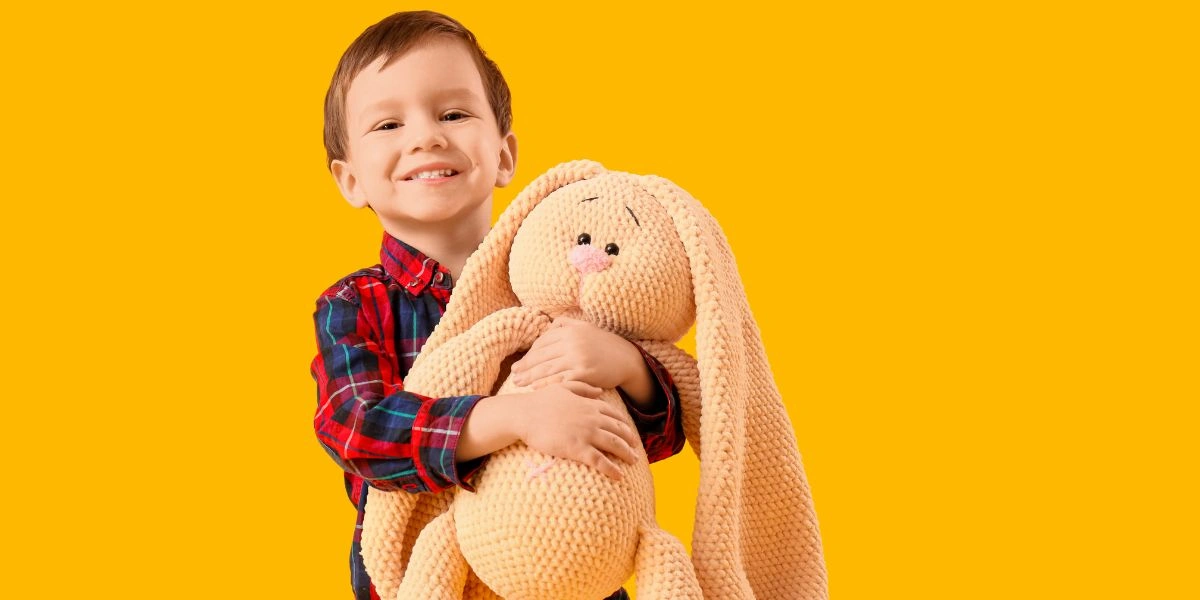
Stuffed animals, though often just cute toys, play a crucial role in providing comfort and security during childhood. When you’re feeling anxious or scared, hugging that soft bunny or bear can help calm your nerves.
These cuddly companions offer a sense of familiarity, making bedtime or new experiences less daunting. You might find yourself talking to them, sharing secrets, or even seeking advice. This connection helps you process emotions and cope with life’s little challenges.
Moreover, having a beloved stuffed animal nearby can create a safe space, a sanctuary where you can retreat when the world feels overwhelming.
Ultimately, these toys aren’t just for play; they’re a source of unwavering support, helping you navigate the ups and downs of growing up.
Imagination Through Stuffed Animals: Fostering Creativity in Kids
When you think about the magic of childhood, it often involves imaginative play, and stuffed animals are perfect companions for that journey. These cuddly friends spark creativity, allowing you to invent entire worlds filled with adventure.
Whether you’re hosting a tea party for a bear or training a lion to be a superhero, each scenario encourages storytelling and role-playing. Through these experiences, you explore different emotions and situations, fostering problem-solving skills and social understanding.
Your stuffed animals can be anything you want them to be, pushing the limits of your imagination. As you weave tales and create scenarios, you’re not just playing; you’re developing vital cognitive skills that will benefit you well into the future.
Emotional Bonds: Why Children Love Their Stuffed Animals?
Comfort often comes in the form of a beloved stuffed animal, creating a unique emotional bond that many children cherish. These cuddly companions provide a sense of security, especially during challenging times.
When you see your child hug their stuffed friend, it’s clear they find solace in that connection. Stuffed animals often become confidants, listening to secrets and fears without judgment. This bond helps kids express their feelings, making them feel understood and less isolated.
As they grow, these toys often symbolize comfort and familiarity, reminding them of simpler, happier times. Your child’s attachment to their stuffed animal isn’t just play; it’s a vital part of their emotional landscape, offering stability in a world that can feel overwhelming.
How Stuffed Animals Contribute to Emotional Development in Kids
Kids often use their stuffed animals as tools for emotional growth, helping them navigate complex feelings and social situations. These cuddly companions offer a safe space for kids to express their emotions, whether it’s joy, sadness, or fear. When they talk to their stuffed animals, they practice communication skills and explore their feelings without judgment.
Additionally, role-playing with these toys can teach empathy, as kids learn to care for and understand their stuffed animal’s “needs.” This imaginative play allows them to experiment with social dynamics and develop problem-solving skills.
Conclusion
In conclusion, stuffed animals aren’t just toys; they’re vital companions that provide comfort, spark imagination, and foster emotional connections. As kids navigate their feelings and explore the world, these plush friends offer a safe space for expression and creativity. The bonds formed with stuffed animals can shape emotional stability and resilience, making them cherished allies in childhood. So, the next time you see a child with their favorite stuffed animal, remember the profound role it plays in their development.
Trending Products